The Great Wildebeest Migration stands as one of nature’s most spectacular events, drawing wildlife enthusiasts from around the world to witness millions of animals moving across the Serengeti-Mara ecosystem. However, timing your visit correctly makes the difference between witnessing this extraordinary phenomenon and missing it entirely.
Understanding when to see the wildebeest migration and where the herds are located requires knowledge of their annual movement patterns, which follow seasonal rainfall and fresh grazing across Tanzania and Kenya. This comprehensive month-by-month guide explains the best time for wildebeest migration viewing, when the Mara River crossings happen, when calving season occurs in the Serengeti, and exactly where to position yourself throughout the year for the best wildebeest migration experience based on what you want to see.
Understanding the Great Migration Cycle
The Great Migration is a continuous, year-round movement of approximately 1.5 million wildebeest, accompanied by hundreds of thousands of zebras and gazelles. This isn’t a one-time event but rather a circular journey covering roughly 800 kilometers through the Serengeti National Park in Tanzania and the Masai Mara National Reserve in Kenya.
The herds follow ancient instinctive routes in search of rain-ripened grass and water. Their movement creates a clockwise pattern through different regions of the Serengeti ecosystem, with timing that varies slightly each year depending on rainfall patterns.
Why the Migration Happens
Wildebeest and other herbivores follow the rains, which bring fresh, nutritious grass. As areas become depleted or dry seasons set in, the herds must move to find adequate grazing and water. This natural cycle has repeated for thousands of years, driven by survival instincts and seasonal weather patterns.
Best Time to See the Wildebeest Migration: Complete Month-by-Month Guide
The answer to “when is the best time to see the great migration” depends entirely on which aspect of this natural phenomenon you want to witness. Each phase of the great wildebeest migration Tanzania offers unique wildlife viewing opportunities. This serengeti migration timing guide breaks down where the wildebeest are each month and what you can expect to see.
January – March: When is Calving Season in Serengeti? Best Time for Predator Action
Where the herds are: Ndutu area, southern Serengeti plains, Ngorongoro Conservation Area
What you’ll see: This period represents one of the most dramatic phases of the great wildebeest migration. When asking “when is wildebeest calving season,” the answer is late January through February, when approximately 500,000 wildebeest calves are born within a concentrated two to three-week period. The southern Serengeti plains transform into a massive nursery, with up to 8,000 calves born daily at the peak. This is definitively the best time to see wildebeest calving season Tanzania.
The synchronous calving season attracts significant predator activity. Lions, leopards, cheetahs, and hyenas converge on the calving grounds, creating exceptional predator-prey interactions. Wildlife photographers particularly favor this period because the open plains of the Ndutu area provide unobstructed views and dramatic wildlife action. Many consider this the best time for wildlife photography in Tanzania outside of the famous river crossings.
Weather conditions: Generally dry with occasional short rains. Temperatures range from warm to hot during the day, with cooler mornings and evenings.
Migration viewing quality: Excellent. The herds remain relatively stationary during calving, making them easier to locate. Predator sightings reach peak frequency.
Best for: Wildlife photographers, those interested in predator behavior, families wanting to see baby animals, and visitors who prefer the herds being in one concentrated location rather than spread across vast territories. This is also the best month to visit Serengeti for concentrated wildlife action.
April – May: Green Season Migration – Best Time for Budget Safari Tanzania
Where the herds are: Beginning movement northwest through central Serengeti toward the Western Corridor
What you’ll see: As the southern plains dry out, the massive herds begin their journey northwest. This transitional period sees the wildebeest migration spread across large areas of the central and western Serengeti. The herds become more dispersed during this phase, making individual sightings less predictable but still rewarding.
April and May represent the long rains season, when the Serengeti transforms into lush green landscapes. While this isn’t traditionally considered peak migration viewing season, it offers unique advantages including dramatically reduced tourist numbers and lower accommodation prices. For those wondering about the best time for budget migration safari, April and May provide exceptional value. This is also the best time to avoid crowds at the Serengeti while still seeing migration herds.
Weather conditions: Long rains with afternoon thunderstorms. Roads can become challenging, particularly in remote areas. Vegetation grows thick and green.
Migration viewing quality: Moderate. Herds are spread out and moving, making specific locations harder to predict. However, wildlife remains abundant, and the green season offers beautiful photography opportunities.
Best for: Budget-conscious travelers, those who prefer fewer tourists, birding enthusiasts (over 500 species present), and photographers interested in dramatic storm landscapes and lush scenery. If you’re asking “when is the cheapest time to see the migration,” this is your answer.
June – July: Grumeti River Crossings – When Does the Migration Start Crossing Rivers?
Where the herds are: Western Corridor of Serengeti, approaching and crossing the Grumeti River
What you’ll see: June and July mark the beginning of the famous river crossings, though the Grumeti River crossings are generally less dramatic and concentrated than the later Mara River crossings. For those asking “when do wildebeest cross the Grumeti River,” the answer is primarily during June and July, though exact timing varies. The Grumeti, a smaller river system with resident crocodile populations, creates natural obstacles that the migrating herds must navigate.
Wildebeest gather along the riverbanks, sometimes for days, before crossing attempts begin. The actual crossings depend on numerous factors including river levels, herd pressure from behind, and weather conditions. Patience is essential, as predicting exact crossing times proves nearly impossible.
By July, the dry season is well established, vegetation becomes sparser, and wildlife concentrations around water sources increase. This marks the beginning of peak safari season with excellent overall game viewing beyond just the migration herds. Many travelers find June and July offer the best balance of good migration viewing without the extreme crowds of August and September.
Weather conditions: Dry season with minimal rainfall. Clear skies, warm days, and cool mornings. Dust becomes increasingly prevalent as the season progresses.
Migration viewing quality: Good to excellent. While Grumeti crossings are less predictable than Mara crossings, overall wildlife viewing improves significantly. The migration herds are concentrated and moving through specific corridors.
Best for: Travelers seeking good migration viewing without extreme peak season crowds (which intensify in August-September), those interested in the western Serengeti’s unique landscapes, visitors who want reliable dry season weather, and those asking “when is the best time to visit Serengeti for migration” without dealing with high season prices.
August – October: Mara River Crossings – Best Time to See the Great Migration (Peak Season)
Where the herds are: Northern Serengeti (Kogatende area) and Kenya’s Masai Mara
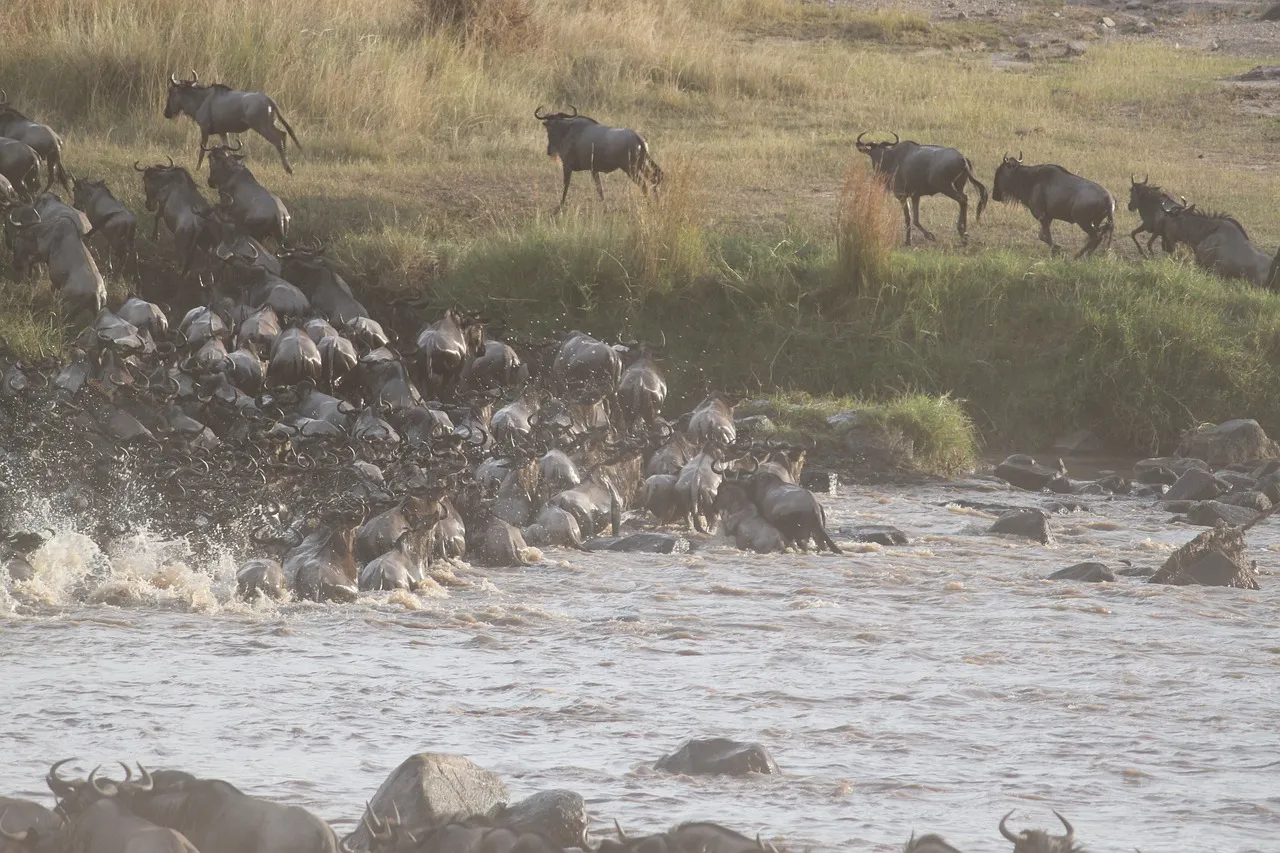
What you’ll see: This represents the most iconic phase of the great wildebeest migration and the primary reason most visitors time their safaris for these months. When people ask “what is the best month to see the wildebeest migration” or “when is the best time for Mara River crossing,” the answer is August through October, with September being the absolute peak. The Mara River crossings showcase nature at its most raw and dramatic. Massive herds congregate along the steep riverbanks, building courage before plunging into the water.
The Mara River presents significant dangers: strong currents, deep water, steep banks, and most notably, large Nile crocodiles waiting for the crossing herds. The chaos of thousands of animals entering the water simultaneously, combined with predator attacks, creates unforgettable wildlife spectacles. This is unquestionably the best time to witness wildebeest river crossings and what most people envision when they think of the great migration Tanzania.
Crossings don’t happen on schedule. Herds may gather for hours or even days before suddenly deciding to cross. They might cross multiple times at different points along the river. This unpredictability means visitors need flexibility in their schedules and realistic expectations. However, when asking “when can you see the Mara River crossing,” August through October provides the highest probability.
August through October consistently offers the highest probability of witnessing Mara River crossings, though exact timing varies annually based on rainfall patterns and grazing conditions. September typically sees peak crossing activity and is often cited as the single best month for great migration viewing. This period also represents when the migration moves into Kenya’s Masai Mara, so you can see the wildebeest migration in Kenya or Tanzania during these months.
Weather conditions: Continued dry season with virtually no rainfall. Dusty conditions, clear skies, and excellent visibility. Temperatures range from cool mornings (12-15°C) to warm afternoons (25-28°C). This is the best weather for safari in Tanzania.
Migration viewing quality: Outstanding. This period offers the best combination of dramatic river crossings and overall excellent wildlife viewing as animals concentrate around remaining water sources. Many consider this the best time to visit Tanzania for safari overall.
Best for: Photographers seeking iconic migration imagery, first-time safari visitors wanting the “classic” migration experience, those with bucket-list travel goals, anyone willing to pay premium prices for peak season viewing, and those asking “when should I go to see the migration” if they want guaranteed excellent conditions.
Important consideration: This represents the busiest, most expensive time to visit the Serengeti. Accommodations near the Mara River fill up 9-12 months in advance. Expect crowded game drives, particularly around known crossing points. If you’re wondering “is August or September better for wildebeest migration,” September generally has slightly more crossing activity, but both months are excellent.
November – December: Return Journey South – Where Are the Wildebeest in November and December?
Where the herds are: Eastern Serengeti, beginning movement back toward southern plains
What you’ll see: As the short rains arrive in November, the migration herds begin their return journey from the Masai Mara and northern Serengeti back toward the southern breeding grounds. For those asking “where is the migration in November,” the herds are typically in the eastern and central Serengeti, actively moving south. November offers a transitional period with the herds spread across the eastern and central Serengeti.
By December, particularly late December, the herds typically reach the southern Serengeti plains again as fresh grass growth attracts them back to the calving grounds. The cycle prepares to repeat as pregnant females seek the short-grass plains ideal for giving birth. If you’re wondering “where are the wildebeest in December,” they’re usually heading to or already in the southern Serengeti and Ndutu area.
November sees fewer tourists, creating a more intimate safari experience. The landscape transforms from dry brown to vibrant green within weeks as the rains arrive. December brings increased visitor numbers around the Christmas and New Year holidays but remains less crowded than the August-September peak. These months can be an excellent best time for migration safari on a budget.
Weather conditions: Short rains bring afternoon showers and thunderstorms, though typically less intense than the April-May long rains. Temperatures warm, and humidity increases. By late December, weather often improves as the short rains taper off.
Migration viewing quality: Good. November viewing can be unpredictable as herds are spread out and moving. December improves significantly, especially late month when herds concentrate on southern plains.
Best for: Value-conscious travelers (November offers shoulder season pricing), those seeking fewer crowds, visitors interested in the transformation from dry to green season, travelers who want to see the herds returning to calving grounds, and anyone asking “when is the best time to see the migration without crowds.”
Quick Reference Guide: Best Time for Specific Migration Experiences
Best time for Mara River crossings: August – October (northern Serengeti). September offers peak crossing activity.
Best time for wildebeest calving season: Late January – February (southern Serengeti/Ndutu area)
Best time for predator action: January – February (calving season attracts lions, cheetahs, leopards)
Best time to avoid crowds: April – May, November (shoulder and green seasons with fewer tourists)
Best time for migration photography: January – February (dramatic predator interactions) or August – September (iconic river crossing images)
Best overall wildlife viewing Tanzania: June – October (peak dry season concentrations)
Best time for budget migration safari: April – May, November (lowest rates, 30-40% discounts)
Most reliable weather for safari: June – October (minimal rainfall, clear skies)
Best for guaranteed migration sightings: August – September (predictable northern Serengeti location)
When is the great migration in Kenya: August – October (herds cross into Masai Mara)
Where are wildebeest in July: Western Corridor crossing Grumeti River
Best month to visit Serengeti National Park: Depends on goals – August-September for river crossings, January-February for calving
When does the wildebeest migration happen: Year-round continuous cycle through different Serengeti regions
Where to Stay for Migration Viewing: Best Camps and Lodges by Season
January – March: Southern Serengeti
Recommended camps: Ndutu Safari Lodge, Ubuntu Migration Camp, Kusini Camp, Kimondo Migration Camp
The Ndutu area sits outside the main Serengeti National Park boundaries (in the Ngorongoro Conservation Area), offering flexibility and typically excellent access to calving season action. Several mobile camps relocate to this region specifically for calving season, providing prime positioning.
June – July: Western Corridor
Recommended camps: Kirawira Serena Camp, Grumeti Serengeti Tented Camp, Singita Sabora Tented Camp, Mbalageti Serengeti
Western Corridor camps position guests near the Grumeti River crossing areas. This region receives fewer visitors than the northern Serengeti, creating more exclusive experiences.
August – October: Northern Serengeti
Recommended camps: Sayari Camp, Olakira Migration Camp, Mara Under Canvas, Serengeti Bushtops, Lemala Kuria Hills
Northern Serengeti camps near Kogatende and the Mara River command premium prices during peak season but offer the best access to major river crossing points. Book these properties 9-12 months in advance.
November – December: Eastern and Southern Serengeti
Recommended camps: Namiri Plains, Dunia Camp, seasonal mobile camps moving to southern areas
As herds transition back south, central Serengeti camps work well for November, while southern Serengeti properties become ideal by late December.
Migration Viewing: Setting Realistic Expectations
Understanding what to expect during your great wildebeest migration safari prevents disappointment and helps you appreciate this natural phenomenon fully.
The Migration is Always Moving
Unlike visiting a specific landmark, the migration herds continuously move across vast territories. Even during “peak” seasons at specific locations, the herds spread across hundreds of square kilometers. Your guide’s knowledge and communication with other guides dramatically affects your chances of finding the herds.
River Crossings Aren’t Guaranteed
Even during peak crossing season (August-October), you might not witness a Mara River crossing. Herds can linger on riverbanks for days without crossing, or they might cross at dawn before game drives begin, or at remote locations away from tourist access points.
Visitors who spend 3-4 days in the northern Serengeti during September have good odds of seeing at least one crossing, but nothing is guaranteed. This unpredictability represents the authentic wildness of the experience.
Weather Affects Migration Timing
The migration follows rainfall and grass growth, which vary year to year. An early or late rainy season can shift the entire migration timing by 2-3 weeks in either direction. General timing patterns remain consistent, but exact locations on specific dates change annually.
You’re Observing Wild Animals
The wildebeest migration involves wild animals making survival decisions, not following tourist schedules. This unpredictability makes witnessing migration events even more special when they occur.
Alternative Migration Destinations Beyond Serengeti
Northern Tanzania: Tarangire National Park
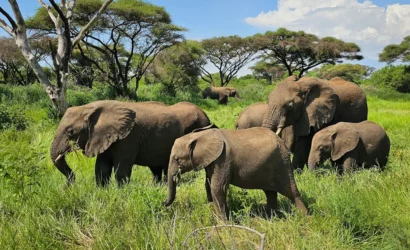
While not part of the classic Serengeti migration, Tarangire experiences its own seasonal wildlife migration, particularly of elephants. During the dry season (June-October), massive elephant herds concentrate in Tarangire, creating spectacular viewing opportunities.
Kenya’s Masai Mara
The Kenyan side of the ecosystem offers excellent migration viewing, particularly August through October when herds cross into Kenya from Tanzania. The Masai Mara typically has higher accommodation costs than the Serengeti but offers easier access from Nairobi.
Combining Migration Viewing with Other Destinations
Ngorongoro Crater
The Ngorongoro Crater makes an excellent addition to migration safaris, particularly when the herds are in the southern Serengeti (January-March, December). The crater offers year-round exceptional wildlife viewing independent of migration timing.
Zanzibar Beach Extension
Many visitors combine Serengeti migration safaris with relaxation on Zanzibar’s beautiful beaches. This combination works well regardless of migration timing, providing a balanced wildlife-and-beach vacation.
Mount Kilimanjaro
Adventure travelers sometimes combine a Kilimanjaro climb with a migration safari. This typically works best by climbing first (acclimatizing and expending energy), then relaxing on safari afterward.
Practical Planning Considerations
How Far in Advance to Book
Peak season (August-October): Book 9-12 months in advance, especially for camps near the Mara River. Popular properties sell out completely.
Calving season (January-February): Book 6-9 months ahead. While not quite as busy as peak season, good camps fill quickly.
Shoulder seasons (June-July, November-December): Book 4-6 months in advance for reasonable selection.
Green season (April-May): Book 2-4 months ahead. Last-minute deals sometimes available.
How Long to Stay
Minimum: 3-4 days in the Serengeti provides reasonable chances of finding migration herds and witnessing key events.
Ideal: 5-7 days allows for comprehensive coverage of the current migration location, including multiple game drives that increase your odds of witnessing river crossings or other dramatic events.
Extended: 7-10+ days enables visiting multiple regions and potentially following the herds across different areas, though this level of commitment suits primarily photographers or serious wildlife enthusiasts.
Migration Safaris on a Budget
Witnessing the great wildebeest migration doesn’t require luxury lodges, though budget options require more research and advance planning.
Budget strategies: Visit during green season (April-May) when rates drop 30-40%. Consider camping safaris which cost significantly less than lodge-based options. Join group safari departures rather than private tours. Focus on public campsites in the Serengeti, which offer basic facilities at minimal cost.
Middle-ground approach: Book tented camps rather than luxury lodges. Visit during shoulder seasons (June-July or November-December) for moderate pricing with decent migration viewing. Stay outside park boundaries where accommodation costs less.
Common Migration Viewing Mistakes to Avoid
Visiting at the wrong time for your goals: Research which migration phase interests you most, then plan accordingly. Don’t visit in June expecting calving season or in February expecting Mara River crossings.
Staying too far from the herds: Book accommodations near the current migration location. A camp 100 kilometers from where the herds are means hours of daily driving.
Not allowing enough time: Single-day visits rarely provide satisfying migration experiences. Allow minimum 3-4 days.
Expecting guaranteed crossings: River crossings depend on numerous unpredictable factors. Adjust expectations accordingly.
Overlooking other wildlife: The Serengeti offers extraordinary wildlife viewing beyond the migration. Don’t become so focused on the herds that you miss resident lions, leopards, elephants, and other species.
Frequently Asked Questions About the Wildebeest Migration
Q: Can you see the migration year-round?
Yes, the great wildebeest migration is a continuous, year-round cycle. The herds are always somewhere in the Serengeti-Mara ecosystem. However, the visibility, concentration, and dramatic events (like river crossings and calving) vary significantly by season and location.
Q: What is the best month to see the wildebeest migration?
The “best” month depends on what you want to see. August and September offer the highest probability of witnessing Mara River crossings. January and February provide calving season drama with intense predator activity. June through October delivers reliable dry season viewing with good weather.
Q: How long does the wildebeest migration last?
The migration is a continuous annual cycle without specific start or end dates. Individual segments like calving season last 2-3 weeks, while Mara River crossing activity spans roughly 2-3 months (August-October) with crossings happening intermittently during that period.
Q: Where do wildebeest migrate to?
Wildebeest follow a roughly circular route through Tanzania’s Serengeti National Park and Kenya’s Masai Mara National Reserve. They move clockwise from southern Serengeti (calving grounds) through western and northern Serengeti, into the Masai Mara, then back south to complete the annual cycle.
Q: Why do wildebeest migrate?
Wildebeest migrate following seasonal rainfall patterns that produce fresh, nutritious grass. As areas become depleted or dry, the herds must move to survive. This instinctive behavior has evolved over thousands of years in response to East Africa’s seasonal climate patterns.
Q: How many wildebeest are in the great migration?
Approximately 1.5 million wildebeest participate in the great migration, accompanied by roughly 200,000 zebras and 300,000 gazelles. Numbers fluctuate based on factors like rainfall, disease, and predation, but the population has remained relatively stable in recent decades.
Q: Can you see the migration from Tanzania or Kenya?
Both countries offer excellent migration viewing. The herds spend most of the year (roughly 8-10 months) in Tanzania’s Serengeti, moving into Kenya’s Masai Mara typically from August through October. Tanzania offers more diverse migration phases, while Kenya provides easier access and good dry season viewing.
Final Recommendations: Choosing Your Migration Experience
The best time to see the great wildebeest migration aligns with your personal priorities, budget, and specific interests within this natural phenomenon.
Choose January-February if: You want to see calving season with newborn animals and intense predator activity, prefer open plains with excellent photographic opportunities, don’t mind paying peak season prices, or find birth and early life cycles most compelling.
Choose June-July if: You want good migration viewing without extreme peak season crowds, appreciate the beginning of river crossing activity, prefer guaranteed dry season weather, or seek a balance between wildlife viewing quality and reasonable pricing.
Choose August-September if: Witnessing Mara River crossings tops your bucket list, you want the classic iconic migration experience regardless of crowds or cost, you prefer guaranteed excellent overall wildlife viewing, or you’re willing to book far in advance and pay premium rates.
Choose October if: You want good probability of river crossings with slightly fewer crowds than August-September, appreciate late dry season wildlife concentrations, or seek a compromise between peak season experiences and shoulder season advantages.
Choose November-December if: Budget considerations are important, you prefer fewer tourists, you’re interested in the landscape transformation from dry to green season, or you want to position yourself for the upcoming calving season.
Regardless of when you visit, the great wildebeest migration remains one of Earth’s most remarkable natural events. With proper timing, realistic expectations, and quality guidance, your migration safari will create memories lasting a lifetime. The key lies in understanding the annual cycle, choosing the right time for what you want to experience, and embracing the wild unpredictability that makes this phenomenon so extraordinary.
Ready to witness the great wildebeest migration? Contact us to plan your perfectly timed Tanzania safari adventure, or download our detailed migration calendar for year-round planning guidance.