Overview
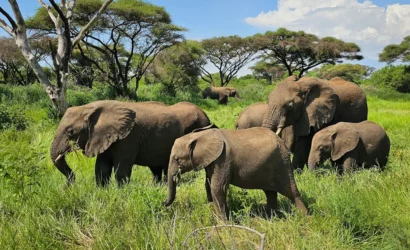
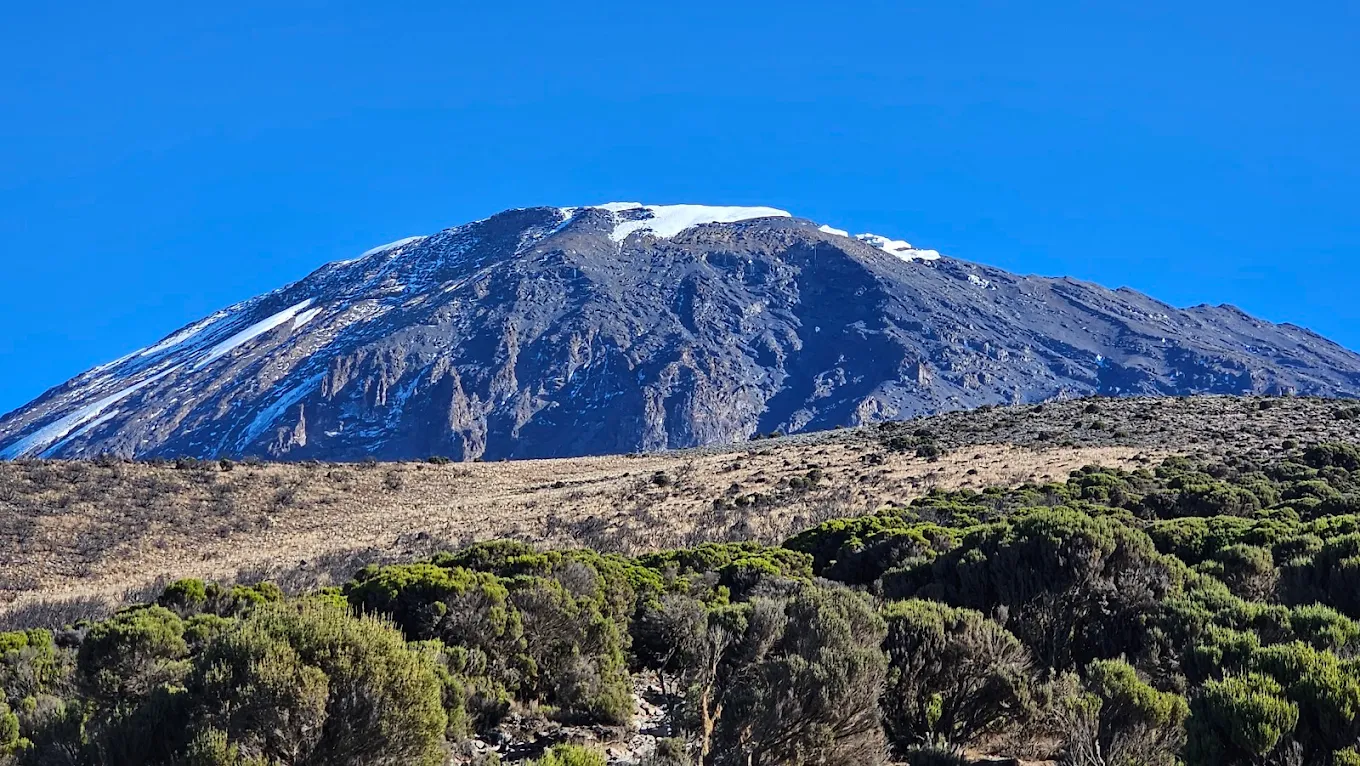
The Rongai Route begins on the northern, Kenyan side of Mount Kilimanjaro, offering a quieter trekking experience with chances to see wildlife like buffalo and elephants. It’s less rainy here, with clearer views of the mountain. The route is flatter but lacks good acclimatization opportunities. It can be done in 6, 7, or 8 days, with longer options recommended for adjusting to the altitude. Summit night follows the same path as the Marangu Route, and the descent is also via Marangu. It’s the least crowded of all Kilimanjaro routes.
Highlights
- Begins at Rongai Gate near the Kenyan border—less crowded and scenic route
- Wildlife sightings in montane forest (colobus monkeys!)
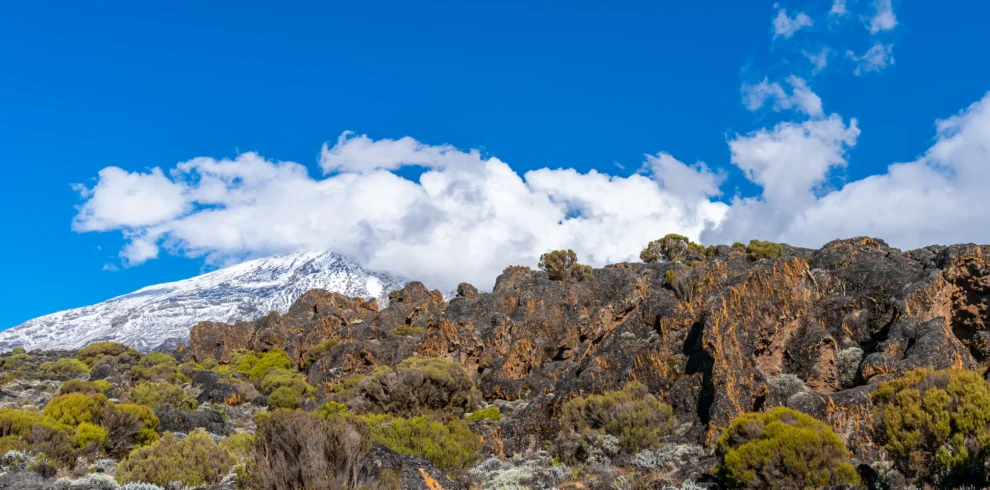
- Gradual ascent through moorlands and alpine desert
- Camps at Simba, Second Cave, Kikelewa, Mawenzi Tarn, and Kibo Hut
- Summit attempt from Kibo Hut to Uhuru Peak (5,895m)
- Descent via Marangu Route—experience both sides of the mountain
Itinerary
On your first day, you’ll arrive at Kilimanjaro International Airport in Tanzania. A friendly person from African Resources Adventure will meet you, help with your bags, and take you to the hotel in Arusha.
The hotel is located in the center of Arusha, near beautiful places like Arusha National Park. It’s peaceful, has lovely gardens, and offers things like a pool, free morning nature walk, and spa to make you comfortable.
After your trip, you can relax and enjoy the amazing view of Mount Meru from the hotel’s terrace. Get ready for an incredible adventure up Mount Kilimanjaro with us.
Distance: ~6.5km / 3.5 miles
Trekking time: 3-4 hours
Zone: Rainforest
Accommodation: Simba Camp
After breakfast, you’ll meet your guide and head to Rongai Gate, the starting point of your trek. The 3-hour drive offers scenic views of the countryside and nearby villages.
At the gate, you’ll handle registration and meet your team. The trek begins with a gentle climb through the rainforest, known for its unique plants and animals. You might spot exotic birds like the African crowned eagle or silvery-cheeked hornbill. Along the way, your guide will share insights about the local wildlife and plants, including their traditional uses.
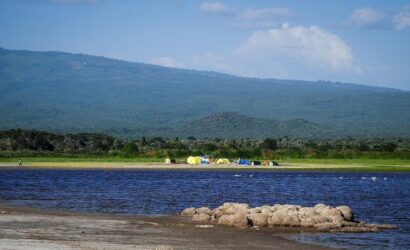
After hiking for 3-4 hours, you’ll reach Simba Camp at 2,625 meters (8,530 feet). The campsite sits in a clearing with amazing views of the mountains and valleys. In the evening, you’ll enjoy a delicious dinner and have the chance to stargaze before resting in your tent for the night.
All meals are included
Elevation: 2,620 meters > 3,600 meters (8,596 ft > 11,811 ft)
Distance: ~12km / 6.5 miles
Trekking time: 6-8 hours
Zone: Rainforest / Low Alpine Zone
Accommodation: Kikelewa Camp
Your day begins at 5:30 am with a warm drink to wake you up. By 6:15 am, you’ll have breakfast and get your bags packed, ready to hike for 6 to 7 hours. The trail takes you through heathland and moorland zones, becoming steeper as you near Kikelewa Camp. You’ll take breaks along the way, have lunch at the second cave point, and enjoy stunning views of the scenery.
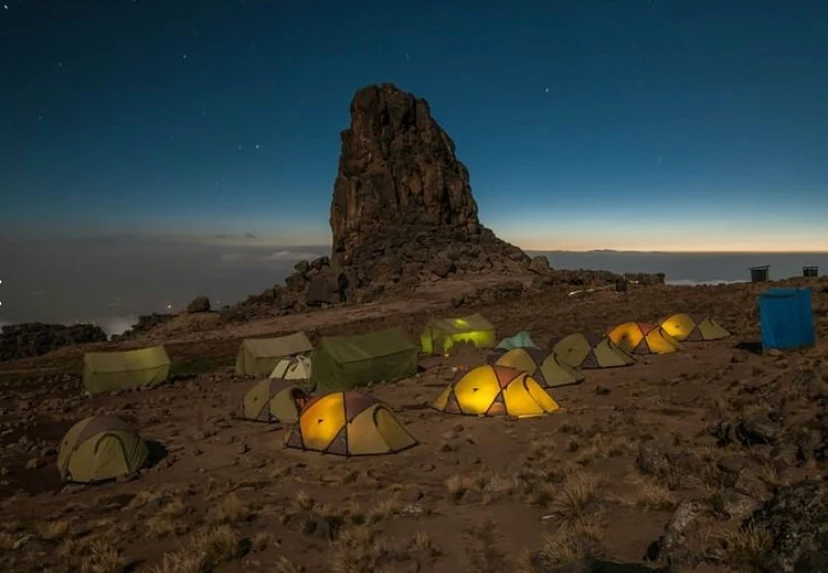
As you get closer to Kikelewa Camp, you’ll be greeted by the breathtaking sight of Kibo Peak and Mawenzi. The camp is located at 3600 meters (11,811 feet) and offers amazing views of the valleys below. Here, you can relax, enjoy a delicious meal, and rest for the night before continuing to Mawenzi Tarn Camp the following day.
All meals are included
Elevation: 3,600 meters > 4,300 meters (11,811 ft > 14,108 ft)
Distance: ~4km / 2.5 miles
Trekking time: 3-4 hours
Zone: Low alpine zone / High alpine zone
Accommodation: Mawenzi Tarn Camp
Your day begins with a warm drink at 5:30 am, followed by breakfast at 6:15 am. You’ll then hike through the alpine desert zone to Mawenzi Tarn Camp, enjoying views of Mawenzi Peak and the glacial lake. After lunch, you can rest or take a short acclimatization hike. Dinner and overnight stay will be at Mawenzi Tarn Camp, located at 4300 meters (14,206 feet).
All meals are included
Elevation: 4,300 meters > 4,700 meters (14,108ft >15,420ft)
Distance: ~9km / 5.5 miles
Trekking time: 8-10 hours
Zone: High alpine zone
Accommodation: Kibo Hut
This day involves a steady hike from Mawenzi Tarn heading west across the Saddle, a dry and desolate area between Kibo and Mawenzi peaks, to reach Kibo Hut at 4,700 meters. While the terrain is harsh and barren, the views of Kibo are stunning. At Kibo Hut, you’ll have dinner and go to bed early, as the summit attempt starts at 11:30 pm. Be sure to prepare your gear beforehand, including a headlamp, warm clothes, insulated water, and a camera.
For those on a seven- or eight-day trek, this day often includes hiking from Mawenzi Tarn to Kibo Hut and returning for better acclimatization, with the final push to Uhuru Peak starting on later days.
All meals are included
Elevation: 4,680 meters > 5,895 meters > 3,100 meters (15,354ft
>19,341ft > 10,171ft)
Distance: ~4.5km / 3 miles ascent and then 11km / 7-mile descent Trekking time: 6-8 hours to the summit and then 5-8 hours to Mweka Zone: Glacial zone and the all-preceding zones
Accommodation: Mweka Camp
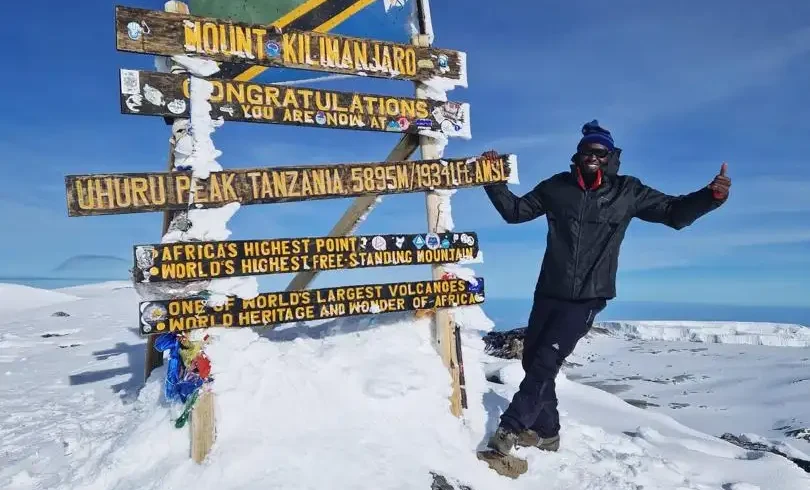
On summit night, you’ll wake at 11:30 pm for tea and biscuits. At midnight, start your steep and slow climb up Kibo, focusing on steady steps. After 6–8 hours, you’ll reach Stella Point at 5739 meters. From there, it’s another 156 meters to Uhuru Peak, Kilimanjaro’s highest point at 5895 meters. Rest briefly at Stella Point before pushing for the summit. If you feel unwell, descend immediately.
After reaching the top, you’ll begin the 11 km (7 mile) descent to Mweka Camp at 3100 meters. The downhill trek can be tough on your joints, so trekking poles and gaiters are helpful. Mweka Camp offers fresh, oxygen-rich air for a restful night.
All meals are included
Elevation: 3,720 meters > 1,870 meters (12,205ft > 6,135ft)
Distance: ~20km / 13 miles
Trekking time: 6-8 hours
Zone: Low alpine zone and rainforest
Accommodation: Hotel in Arusha
The last stretch from Horombo Hut to Marangu Gate (1,870 meters) covers about 20 km and can feel demanding after the previous day’s hike. Take it slow, use trekking poles to reduce strain on your knees, and watch your footing as you descend.
At Marangu Gate, where you first registered six days ago, you’ll now sign out. Those who reached Gilman’s Point will receive a green certificate, while trekkers who made it to Uhuru Peak will be awarded a gold certificate. Many trekkers use this moment to thank their team with well-deserved tips before heading back to the hotel for a refreshing hot shower!
Cost
The Cost Includes
- All transfers are as per the itinerary and government expenses.
- One night accommodation at the hotel in Arusha/Moshi.
- All Kilimanjaro Park fees.
- Trained guides in altitude physiology and wilderness first responder (WFR).
- Top-quality food for the duration of the climb, considering maximum nutritional needs. Three meals a day.
- Safety equipment, including an oxygen tank and portable altitude chamber (PAC) for the entire climb. Camping equipment, including top-quality mountain tents and standard bathroom facilities.
- Safety communication, such as satellite phones and cell phones.
- Flying Doctors evacuation within the area.
- Day room on the last day at the hotel in Arusha/Moshi.
- Mattresses and tents.
The Cost Excludes
- International flights (From/to your home country)
- Tips for your guide, cook and crew.
- Personal items (Souvenirs, travel insurance, visa fees, etc.)
- Government-imposed increase of taxes and/or park fees
- Extra accommodation before and after tour
- Extra activities not mentioned on the itinerary
- Beverages, laundry, personal gear or clothing rental, etc.
- Any charges resulting from an early descent, such as additional hotels, transfers, etc. (This applies if a guest descends before finishing the climb.)
FAQs
It’s the only route that starts from the northern (Kenyan) side of Kilimanjaro, offering a quieter and more remote experience.
Yes! Its gradual ascent makes it one of the easier routes, ideal for first-time trekkers.
Rongai is great year-round, especially during the rainy season (April–May), as the northern side receives less rainfall.
Possibly! Early stages may include sightings of antelope, elephants, and buffalo in the montane forest zone.
Accommodation is in tents at designated campsites like Simba Camp, Kikelewa, Mawenzi Tarn, and Kibo Hut.
The 7-day itinerary improves acclimatization and boosts summit success rates compared to shorter versions.